
February 2025 marked a turning point for sustainable mining in Australia. Tyre recycle launched the country’s first dedicated off-the-road (OTR) mining tyre recycling facility in Port Hedland, Western Australia. For an industry that generates thousands of tones of tyre waste annually, this facility isn’t just another recycling plant—it’s a game-changer.
If you’re managing tyres at a mine site, this development has direct implications for your operations, your bottom line, and your environmental commitments.
The Scale of the Challenge
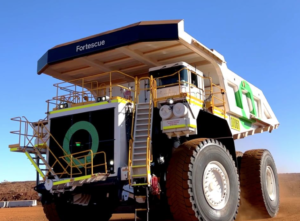
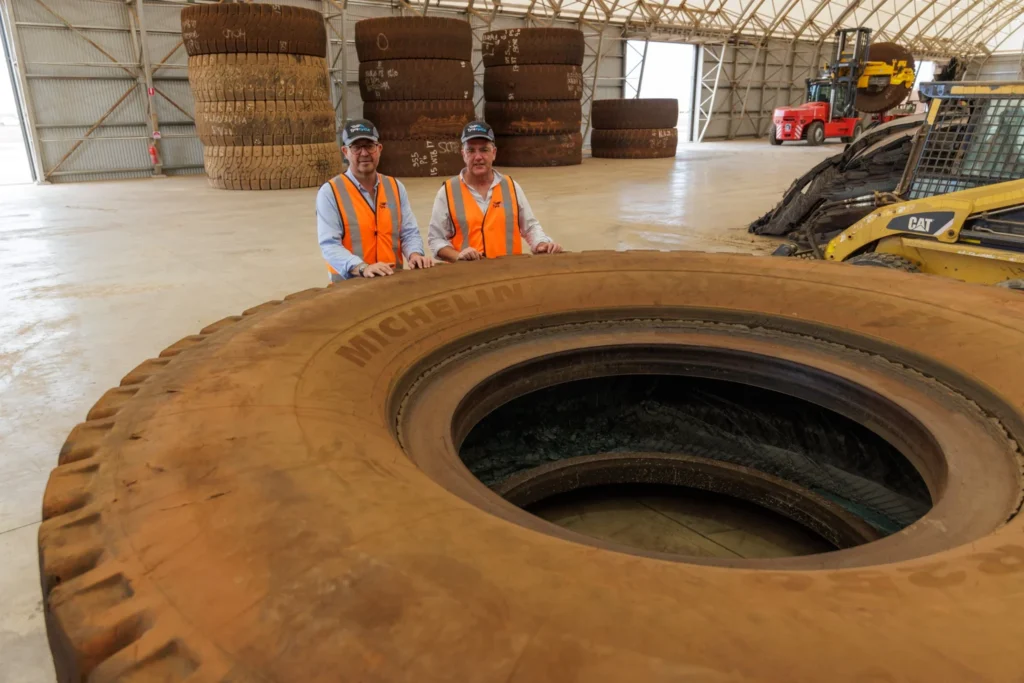
OTR tyres aren’t like passenger car tyres. A single ultra-class haul truck tyre can weigh over 5 tonnes and cost upwards of $50,000. When these tyres reach end-of-life, they present a significant waste management challenge. Until now, Australia’s options for disposing of OTR tyres have been limited:
- Stockpiling on mine sites (expensive and potentially hazardous)
- Shipping interstate or overseas for processing (costly and carbon-intensive)/
- Limited local recycling capacity (inadequate for industry volumes)
The result? Massive stockpiles of end-of-life tyres accumulating at mine sites across the country, creating environmental liabilities and tying up valuable space.
What Makes Port Hedland Different?
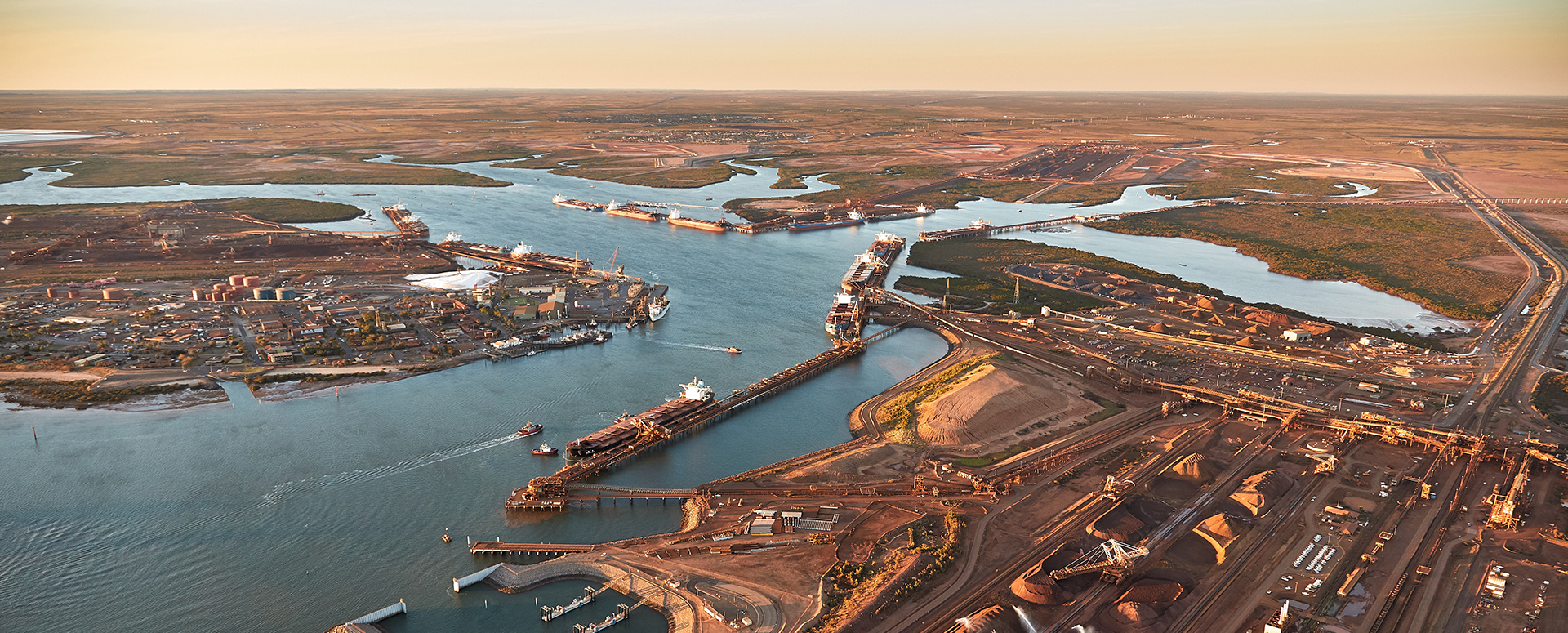
Location matters. Port Hedland sits at the heart of Western Australia’s mining region, home to some of the world’s largest iron ore operations. By establishing Australia’s first dedicated OTR recycling facility here, Tyrecycle has addressed a critical gap in the circular economy.
The facility’s key features:
| Capacity | 30,000+ tonnes of OTR tyres annually |
| Strategic Location | Near major Pilbara mining operations, reducing transport costs and carbon emissions |
| Environmental Impact | Diverts waste from landfill, supports circular economy principles |
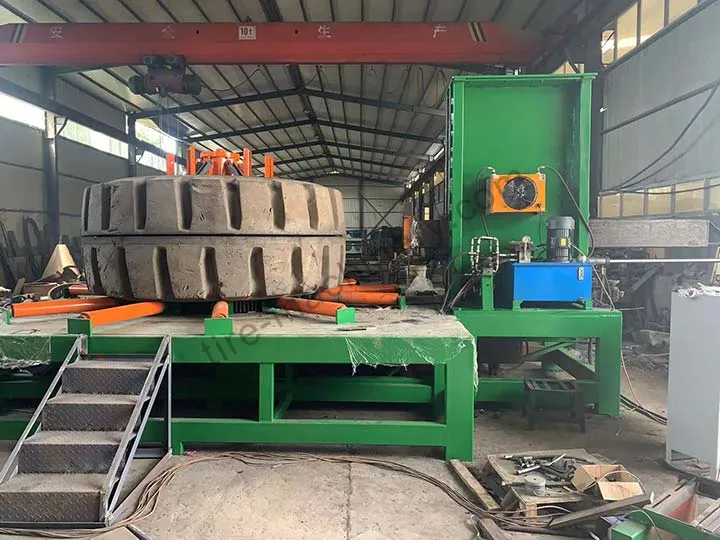
| Processing Capability | Transforms end-of-life tyres into reusable materials for construction and infrastructure |
What This Means for Your Operation
If you’re managing OTR tyres at a mine site, this facility creates tangible opportunities:
1. Reduced Disposal Costs
Proximity to major mining operations means lower transport costs. Instead of shipping tyres thousands of kilometres interstate or overseas, Pilbara operators can now process waste locally. For operations in the region, this translates to direct savings on logistics and disposal.
2. ESG and Sustainability Reporting
Environmental, Social, and Governance (ESG) reporting isn’t optional anymore it’s expected by investors, regulators, and communities. Being able to demonstrate that your operation diverts OTR tyre waste from landfill and supports local recycling infrastructure strengthens your sustainability credentials. This facility provides a clear, measurable pathway to meet those commitments.
3. Risk Reduction
Stockpiled tyres present fire risks, attract vermin, and create environmental hazards. They also tie up land that could be used for productive purposes. A reliable local recycling solution reduces these risks whilst freeing up valuable site space.
4. Circular Economy Participation
Recycled OTR tyre material is used in road construction, civil engineering projects, and industrial applications. By sending your end-of-life tyres to Port Hedland, you’re contributing to a genuine circular economy where waste becomes a resource. This aligns with industry-wide moves towards zero-waste operations.
The Bigger Picture: Industry Momentum
Port Hedland’s facility is part of a broader shift in how Australia manages OTR tyre waste. In 2021, the Australian government banned the export of whole baled scrap tyres, forcing the industry to develop domestic recycling capacity. Major tyre manufacturers including Bridgestone, Goodyear, Michelin, and Yokohama have joined the Tyre Product Stewardship Scheme (TPSS) to improve resource recovery and recycling.
Recent initiatives demonstrate the growing commitment to sustainable tyre management:
Rio Tinto’s Argyle Diamond Mine project (November 2023) recovered 800 tonnes of used tyres and conveyor belts, transporting them 3,200 kilometres to Queensland for processing into crumb rubber used in road construction.
Tyre Stewardship Australia’s ‘Tipping the Balance’ report (2025) highlights OTR tyres as one of Australia’s most complex rubber waste streams, calling for systemic change towards circular, accountable outcomes. The message is clear: sustainable tyre management is no longer a ‘nice to have’—it’s a competitive necessity.
What to Consider Next ?
If you’re responsible for tyre management at a mining operation, now is the time to evaluate your end-of-life tyre strategy. Here are practical questions to ask:
- Do you have a clear plan for end-of-life tyres, or are they accumulating on-site?
- What are your current disposal costs, including transport and processing?
- How does your tyre waste management contribute to your ESG reporting?
Are you aware of local recycling options, or are you defaulting to interstate or overseas solutions? For Pilbara-based operations, the Port Hedland facility offers a straightforward, cost-effective solution. For operations elsewhere in Australia, it’s a signal that domestic recycling infrastructure is improving and that similar facilities may follow in other regions.
The Role of Proactive Tyre Management
End-of-life disposal is only one part of the equation. The most effective way to manage tyre waste is to maximise tyre life in the first place. Proper tyre management including regular inspections, correct pressure monitoring, haul road maintenance, and timely rotations extends tyre lifespan and reduces the volume of waste generated.
At TRG, we work with mining operations to implement proactive tyre management strategies that:
- Maximise tyre life through data-driven maintenance
- Reduce tyre-related downtime
- Lower total cost of tyre ownership
Support sustainability and ESG goals By getting more out of every tyre, you reduce waste and disposal requirements which benefits both your operation and the environment.
Final Thoughts
The opening of Port Hedland’s OTR tyre recycling facility is a watershed moment for Australian mining. It proves that sustainable, cost-effective solutions for OTR tyre waste are achievable and it sets a precedent for further investment in domestic recycling infrastructure.
For mining operations, the opportunity is clear: reduce costs, meet ESG commitments, and be part of a genuine circular economy. The infrastructure is here. The question is whether your operation is ready to take advantage of it.
If you’d like to discuss how TRG can support your tyre management and end-of-life disposal strategy, get in touch. We’re here to help mining operations move towards safer, more efficient, and more sustainable tyre practices.