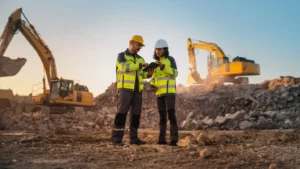

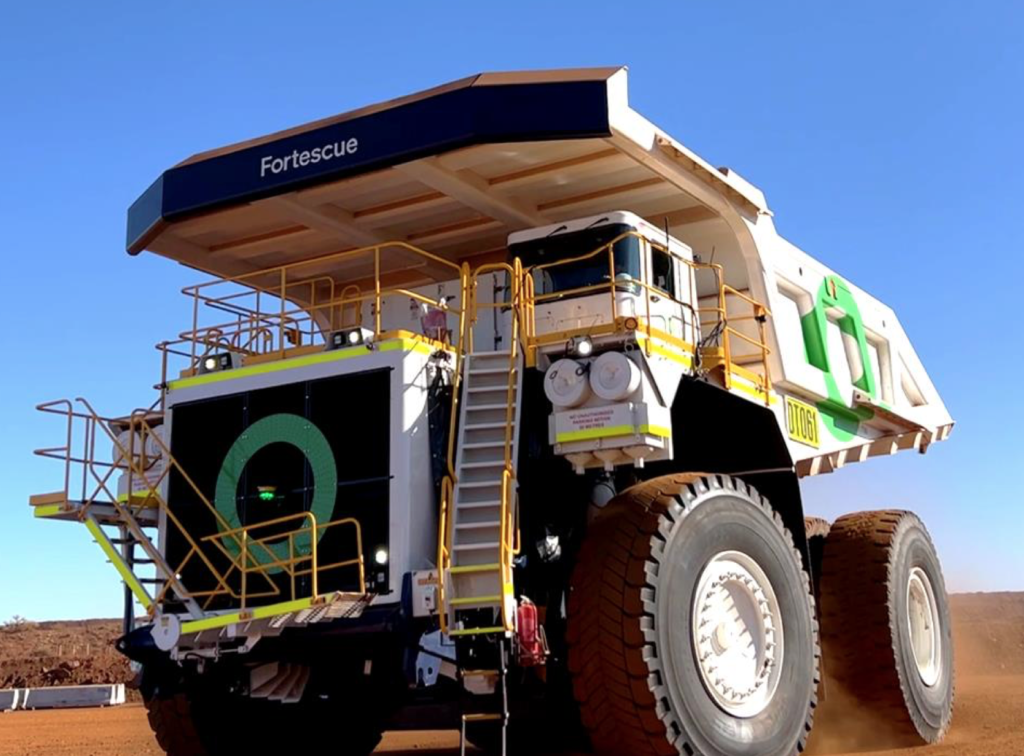
The mining industry is on the cusp of a major shift. Electric and hybrid mining equipment once a distant concept, is becoming a commercial reality. Major manufacturers are rolling out electric haul trucks, loaders, and dozers, driven by emissions regulations, operational cost savings, and ESG commitments.
But electrification doesn’t just affect powertrains. It has significant implications for OTR tyre selection, performance requirements, and maintenance strategies. If you’re managing tyres at a mine site, understanding these changes isn’t optiona,l it’s essential to staying ahead.
Why Electric Mining Equipment is Gaining Momentum
Electric mining equipment offers tangible benefits that align with the industry’s operational and environmental goals:
Reduced Emissions: Electric vehicles produce zero direct emissions, helping mining operations meet increasingly strict environmental standards. Australia’s New Vehicle Efficiency Standard and Europe’s emissions regulations are accelerating adoption.
Lower Operating Costs: Electricity is cheaper than diesel, and electric drivetrains have fewer moving parts, reducing maintenance requirements.
Improved Efficiency: Electric motors deliver instant torque, improving acceleration and load-hauling performance.
Reduced Emissions: Electric equipment operates more quietly, reducing noise-related hazards and improving communication on site.
ESG and Investor Pressure: Mining companies face increasing pressure from investors, regulators, and communities to reduce their carbon footprint. Electric equipment is a visible, measurable step towards sustainability.
Major mining equipment manufacturers including Caterpillar, Komatsu, and Liebherr are investing heavily in electric platforms. Some operations are already trialling electric haul trucks, with broader commercial deployment expected throughout the late 2020s.
How Electrification Changes OTR Tyre Requirements
Electric drivetrains fundamentally alter how mining equipment interacts with tyres. These changes create new requirements for tyre design, compound formulation, and performance characteristics.
1. Higher Torque and Instant Power Delivery
Electric motors deliver maximum torque instantly, unlike diesel engines that build torque gradually. This immediate power delivery places greater stress on tyres, particularly during acceleration and deceleration.
Implications for tyres:
Tyres must handle higher instantaneous forces without excessive wear or damage
Reinforced sidewalls and advanced tread compounds are required to manage increased torque
Tyre selection must account for the specific torque characteristics of electric motors
2. Increased Operating Weight
Electric mining equipment is often heavier than diesel equivalents due to battery packs. A large-format battery for a haul truck can add several tonnes to the vehicle’s weight, increasing the load on tyres.
Implications for tyres:
Higher load-bearing capacity is essential to prevent premature tyre failure
Tyres designed for electric equipment must accommodate heavier gross vehicle weights
Pressure monitoring becomes even more critical to ensure tyres are correctly inflated for increased loads
3. Longer Duty Cycles and Continuous Operation
Electric equipment can operate continuously with less downtime for refuelling. Whilst this improves productivity, it also means tyres experience longer periods of sustained load and heat buildup.
Implications for tyres:
Enhanced heat dissipation is required to prevent thermal degradation
Tyre compounds must maintain performance across extended operating periods
Regular thermal inspections and TPMS monitoring become essential to detect heat-related issues early
4. Regenerative Braking and Dynamic Loads
Many electric mining vehicles use regenerative braking, which converts kinetic energy back into electrical energy. This changes the load dynamics on tyres during deceleration.
Implications for tyres:
Tyre tread must manage different braking forces compared to traditional friction braking
Uneven wear patterns may emerge if tyres aren’t designed for regenerative braking systems
Operators need to adjust tyre rotation schedules to account for these new wear dynamics
What Tyre Manufacturers Are Doing
Tyre manufacturers are responding to the electrification trend by developing specialised OTR tyres for electric equipment. These tyres incorporate design and material innovations that address the unique demands of electric drivetrains.
Key Innovations:
| Feature | Benefit |
| Advanced Rubber Compounds | Improved heat dissipation and resistance to thermal degradation during extended operation |
| Reinforced Sidewalls | Greater load-bearing capacity to accommodate heavier equipment and higher torque |
| Low Rolling Resistance | Maximises battery efficiency and extends range for electric vehicles |
| Enhanced Tread Patterns | Optimised for regenerative braking forces and instant torque delivery |
| TPMS Integration | Real-time pressure and temperature monitoring to ensure optimal performance and early issue detection |
Leading tyre manufacturers, including Michelin, Bridgestone, and Goodyear, are actively developing electric-specific OTR tyres. These tyres are designed to work seamlessly with electric drivetrains, delivering longer life and better performance than conventional tyres adapted for electric equipment.
Practical Considerations for Mine Operators
If your operation is considering electric equipment or already trialling it, here’s what you need to think about for OTR tyre management:
1. Engage with Tyre Suppliers Early
Don’t assume your existing tyre specifications will work for electric equipment. Engage with tyre suppliers during the procurement phase to ensure you’re specifying tyres designed for electric drivetrains.
Ask about:
- Load-bearing capacity for heavier vehicles
- Heat dissipation capabilities for continuous operation
- Compatibility with regenerative braking systems
- Expected tyre life under electric operating conditions
2. Implement Comprehensive TPMS
Tyre pressure and temperature monitoring is critical for electric equipment. Longer duty cycles and higher torque mean tyres are under sustained stress. Real-time TPMS allows you to:
- Detect pressure loss immediately, preventing catastrophic failures
- Monitor temperature buildup during continuous operation
- Optimise tyre pressure for efficiency and longevity
At TRG, we work with mining operations to integrate TPMS into their tyre management programs, ensuring early detection of issues and maximising tyre life.
3. Adjust Maintenance Schedules
Electric equipment may require different tyre maintenance schedules compared to diesel-powered machines.
Review your inspection and rotation protocols to account for:
- Different wear patterns caused by instant torque and regenerative braking
- Longer operating hours between refuelling/recharging stops
- Increased thermal stress on tyres
4. Train Your Workforce
Tyre fitters and maintenance personnel need to understand the specific requirements of electric equipment. This includes:
- How electric drivetrains affect tyre performance and wear
- Proper procedures for inspecting tyres on electric equipment
- Interpretation of TPMS data for electric vehicles
TRG’s Training Division offers specialised OTR tyre training that can be tailored to include electric equipment considerations, ensuring your team is prepared for the transition.
5. Plan for Transition Periods
Most operations won’t switch to electric equipment overnight. You’ll likely have a mixed fleet of diesel and electric machines for several years. This means managing two different tyre specifications, maintenance protocols, and inventory systems simultaneously.
Plan ahead to ensure your tyre management systems can handle this complexity without creating operational bottlenecks.
The Broader Industry Context
Electrification is part of a broader transformation in mining. Sustainability, automation, and data-driven operations are reshaping how mines operate. Electric equipment fits into this larger picture, supporting:
- ESG goals: Reducing Scope 1 emissions and improving environmental performance
- Operational efficiency: Lower fuel costs and reduced maintenance downtime
- Safety improvements: Quieter operations and better visibility for operators
- Regulatory compliance: Meeting government emissions standards and sustainability mandates. For tyre management, this means staying informed about emerging technologies and adapting services to support the changing needs of mining operations.
For tyre management, this means staying informed about emerging technologies and adapting services to support the changing needs of mining operations.
Looking Ahead: What to Expect
The transition to electric mining equipment will accelerate over the next decade. Expect to see:
- Wider availability of electric haul trucks, loaders, and support equipment
- Continued innovation in tyre design specifically for electric applications
- Greater integration of TPMS and IoT sensors for real-time tyre monitoring
- Regulatory incentives or requirements favouring low-emission equipment
- Industry standards and best practices for electric equipment tyre management
Mining operations that prepare now by understanding tyre requirements, engaging with suppliers, and training their workforce will be better positioned to capitalise on the benefits of electric equipment.
Final Thoughts
Electric mining equipment is no longer a future concept; it’s arriving on mine sites now. This shift brings real implications for OTR tyre selection, maintenance, and performance management.
Operations that treat electrification as just another equipment upgrade risk encountering tyre-related problems that compromise safety, efficiency, and equipment uptime. Those that proactively adapt their tyre management strategies will gain a competitive advantage.
At TRG, we’re staying ahead of these industry changes to ensure our clients are prepared. Whether it’s sourcing the right tyres for electric equipment, integrating TPMS, or training your team, we’re here to support your operation through the transition to electric mining. If you’re planning to introduce electric equipment or want to ensure your tyre management program is ready for the change, get in touch. We’ll help you navigate the challenges and opportunities that electrification brings.